Siding Installation: Boost Your Home's Curb Appeal and Value
Siding installation holds a significant place in defining a home's outer appearance. It not only enhances curb appeal but also contributes to overall property value. Homeowners must make critical choices about materials and design options. Selecting the appropriate siding can significantly influence energy efficiency and ongoing upkeep. Understanding these factors can guide effective choices. What factors should homeowners evaluate when beginning this undertaking?
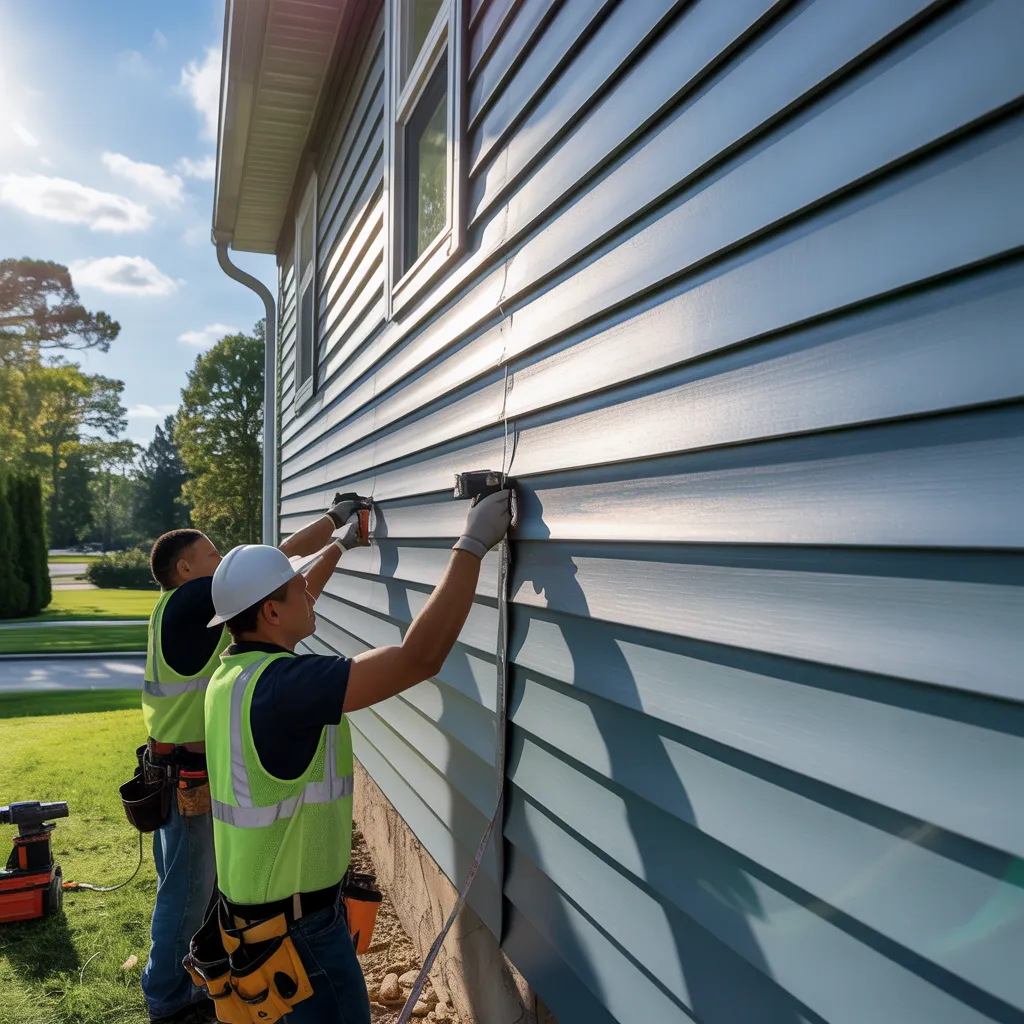
The Importance of Siding for Your Home's Value
Siding acts as an essential element in enhancing a property's total value. It not only enhances the aesthetic appeal of the property but also offers practical advantages that can impact potential buyers. Well-chosen siding materials can increase energy efficiency, decreasing heating and cooling costs, which is appealing to homeowners. Moreover, siding shields the home's underlying structure from damage view this caused by weather, consequently increasing the longevity of the home.
Properties featuring quality siding tend to command higher resale prices, as prospective buyers appreciate the lower maintenance requirements and enhanced curb appeal. Additionally, contemporary siding choices, such as vinyl or fiber-cement, are designed to resist fading, warping, and pests, thereby ensuring long-term value. Quality siding can make a strong first impression, making it a smart investment for homeowners aiming to maximize their home's marketability and value.
Choosing and Installing the Right Siding for Your Home
Picking the best home siding for a home means familiarizing yourself with different available materials and the installation procedure. Each type of material provides notable qualities and aspects that can influence both appearance and lasting quality. A well-defined approach to the steps of installation ensures a effective execution, enhancing the house's total appearance and durability.
Material Selections Overview
When choosing the ideal exterior siding for a home, property owners are faced with a range of available materials that can significantly impact both visual appeal and functionality. Vinyl siding is popular for its affordability and low maintenance, while wood delivers a traditional aesthetic but necessitates more care. Fiber cement offers long-lasting strength and pest resistance, making it a strong contender for various climates. Metal siding, typically aluminum or steel, is recognized for its lasting quality and modern look. Furthermore, brick and stone veneer contribute considerable value and enduring charm but involve greater installation expenses. The choice ultimately depends on budget, desired style, and local climate conditions, helping homeowners arrive at a thoughtful choice that improves their home.
Installation Process Steps
Choosing the ideal siding for a home involves a methodical approach that weighs aesthetics, functionality, and installation requirements. First, homeowners should examine their local climate and architectural style, confirming the chosen material complements their home's design and endures environmental conditions. After that, they must measure the exterior dimensions precisely to determine the quantity necessary.
Once the appropriate siding material has been determined, preparation of the surface is essential, including repairs and cleaning. Installing a moisture barrier is recommended to safeguard against moisture-related damage. After this step, the siding pieces are trimmed to the correct dimensions and attached using the appropriate fastening materials, while maintaining precise alignment. To complete the process, homeowners are encouraged to finalize the work by adding trim pieces and applying caulking to boost the longevity and overall appearance, wrapping up a transformation that elevates curb appeal and home value.
Siding Materials Compared: Finding the Best Choice for Your Home
What siding material is most appropriate for a homeowner's requirements? Homeowners are frequently presented with numerous options, each offering unique benefits. Vinyl siding remains a widely chosen solution because of its cost-effectiveness and minimal upkeep demands, making it perfect for those watching their spending. Alternatively, wood siding offers aesthetic appeal and natural insulation but requires regular upkeep to prevent deterioration. Fiber cement siding combines durability with the look of wood, providing resistance to pests and weather, while stone and brick options deliver exceptional longevity and timeless elegance, albeit at a higher cost. Metal siding, frequently incorporated into modern home designs, is yet another alternative, celebrated for its structural strength and resistance to fire. Ultimately, the best choice depends on factors such as budget, climate, and desired aesthetic. Homeowners should weigh these considerations carefully to select a siding material that enhances both their home's curb appeal and overall value.
How New Siding Can Enhance Your Home's Energy Efficiency
Upgrading to modern siding can significantly improve a home's energy efficiency. Today's siding materials are crafted with advanced insulation properties that assist in maintaining indoor temperatures, minimizing dependence on heating and cooling systems. As an example, insulated vinyl siding can significantly lower energy bills by limiting heat loss in winter and maintaining cooler indoor temperatures in summer.
Furthermore, modern siding options frequently include reflective surfaces that help deflect sunlight, significantly decreasing cooling costs. Property owners can pick from multiple materials, including fiber cement and composite materials, which not only enhance energy insulation but also withstand moisture and pest damage, increasing long-term durability.
Proper installation plays a vital role in optimizing energy performance. Gaps or poor sealing can undermine the benefits of upgraded siding. By investing in quality materials and professional installation, homeowners can benefit from a more pleasant indoor environment while simultaneously boosting their property's market value with enhanced energy efficiency.
What You Can Expect During the Installation Process
Throughout the new siding installation process, homeowners can expect a carefully organized process that takes place across multiple critical phases. To begin, the team will carefully inspect the existing structure, guaranteeing that any necessary repairs are taken care of before the new siding is installed. Following this, the old siding is carefully removed, followed by the installation of a moisture barrier to safeguard the underlying materials.
When these preparations are finished, the new siding is installed, which may involve exact measurements and shaping to fit around doors and windows. Homeowners can anticipate seeing the siding being fastened with suitable hardware to guarantee durability. Throughout the installation process, workers will maintain a clean and organized workspace, minimizing disruption to the household. Finally, a thorough inspection is carried out to confirm the installation adheres to quality benchmarks, leaving homeowners with a refreshed exterior that improves both the home's appearance and its market value.
Essential Tips for Maintaining Long-Lasting Siding Performance
To ensure optimal quality and lifespan of the siding, a regular maintenance schedule is essential. Moreover, periodic checks for wear and tear can help identify problems before they worsen. Such preventative measures significantly contribute to upholding the condition and aesthetics of the siding over the years.
Routine Cleaning Schedule
Maintaining consistency in upkeep is vital for protecting the lifespan and appearance of siding. Setting up a routine cleaning plan can significantly improve its functionality and visual appeal. Homeowners are advised to wash their siding a minimum of twice annually, preferably in spring and fall. This routine helps remove dirt, mold, and mildew that can accumulate over time, preventing discoloration and damage. A light cleaning with a solution of water and gentle soap is typically adequate. When dealing with difficult stains, a soft-bristle brush or a pressure washer operated on a low setting can be an effective solution. By following this maintenance routine, homeowners can ensure their siding stays in outstanding shape, ultimately enhancing the curb appeal and market value of the home.
Examine for Damage
Regularly inspecting siding for damage is essential for maintaining its integrity and appearance. Residents should inspect for indicators of deterioration, such as cracks, warping, or peeling paint, which can indicate underlying issues. Furthermore, zones near windows and entrances are notably prone to damage and should be inspected carefully. Water accumulation or mildew development may indicate that the siding has lost its protective effectiveness, demanding urgent intervention. Periodic evaluations, particularly following harsh weather conditions, can aid in spotting issues promptly, preventing costly repairs in the future. It is equally important to look for insect infestations or signs of rot, as these can weaken the siding's structural effectiveness. Prompt upkeep ensures long-term durability and elevates the visual appeal of the residence.
Frequently Asked Questions
How Long Does Siding Installation Typically Take?
Installing siding usually takes anywhere from one to three days, influenced by the home's size, the type of siding used, and weather conditions. Homeowners should prepare for possible delays if significant repairs are required beforehand.
Should I Install Siding Myself or Work with a Contractor?
One can install siding independently when equipped with the proper skills and tools; nevertheless, working with a contractor typically ensures superior quality and efficiency. Weighing personal capability against professional expertise is essential for a successful outcome.
Which Siding Colors Are Best for Increasing Property Value?
Understated hues such as beige, gray, and white tend to increase home value, attracting a wider range of buyers. Vibrant colors can attract attention but might narrow buyer appeal, making timeless shades a more reliable option when selling.
Do You Need Permits or Inspections for Siding Installation?
Siding installation often requires permits and inspections, based on local building regulations. Homeowners are advised to check with local authorities to identify the specific requirements, maintaining compliance and steering clear of potential penalties or complications during the installation.
How Can Siding Influence My Home Insurance Premiums?
Siding can influence home insurance premiums by affecting risk calculations. Sturdy materials can reduce rates, while less resilient options might elevate expenses. Insurance providers frequently evaluate the siding's effect on general property worth and care demands.